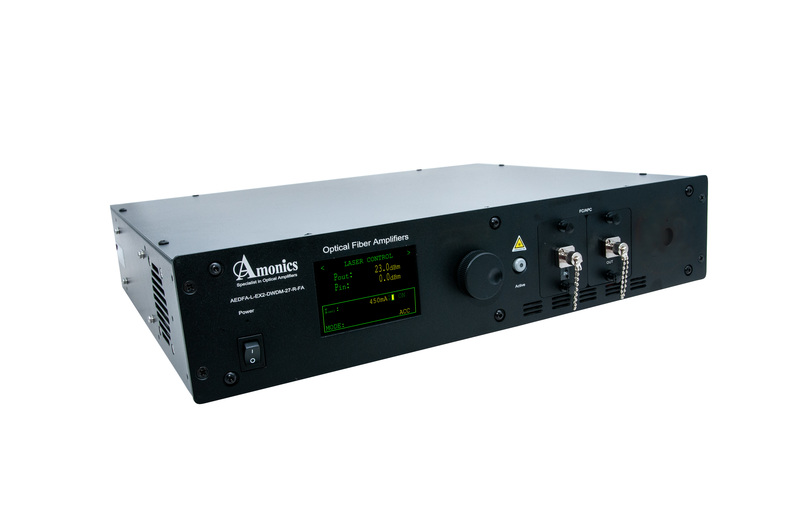
The Future of AI Infrastructure: Why Optical Networking is the Real Bottleneck
Artificial Intelligence is no longer just a software revolution; it is a hardware-demanding paradigm shift. As hyperscale clusters scale from thousands to millions of GPUs, the bottleneck has moved from compute to connectivity.
Behind every Large Language Model (LLM) and high-performance AI cluster lies a massive, invisible optical architecture. Here is how optical networking is evolving to meet the demands of the AI era.
1. Expanding Capacity: Beyond the C-Band
For two decades, the C-band has been the workhorse of fiber optics. With AI-driven traffic exploding, the conventional C-band is hitting its physical capacity limits.
To scale, network architects are pivoting to ultra-wideband transmission:
- C+L Architectures: Currently the mainstream method to unlock additional fiber capacity without new infrastructure.
- Full-Spectrum Potential: Research is accelerating into S-band (1460–1530 nm), E-band (1360–1460 nm), and O-band (1260–1360 nm) to meet future petabit-scale demands.
2. The Commercialization of Hollow-Core Fiber
While standard silica fiber remains the backbone, hollow-core fiber (HCF) is moving from lab research to commercial reality. By guiding light through air rather than glass, HCF provides:
- Latency Reduction: Up to 30% improvement, critical for synchronized AI cluster tasks.
- Lower Nonlinearity: Enables higher power handling and reduced signal degradation.
3. Redefining Interconnects: Silicon Photonics & CPO
As data speeds push past 1.6T, signal integrity and power consumption become the primary "walls" for system designers. The industry is addressing this through:
- Co-Packaged Optics (CPO): Integrating optical engines directly with switch ASICs to drastically reduce power-per-bit.
- Silicon Photonics: Forecasted to represent over 50% of transceiver shipments by 2030, silicon photonics is the foundation for the next generation of dense AI interconnects.
4. The Evolution of Optical Amplification
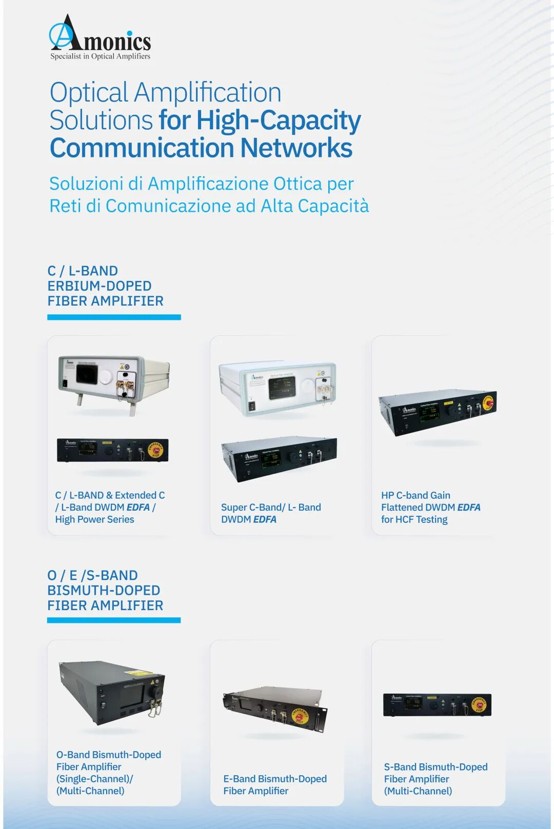
Regardless of the fiber or band, optical signals must be amplified. As research pushes beyond traditional C+L bands, the amplification toolkit is expanding:
| Amplifier Type | Core Advantage |
|---|---|
| EDFA | The industry standard for mature C- and L-band systems. |
| Raman Fiber Laser | Distributed amplification for improved OSNR in high-performance links. |
| BDFA | Emerging technology for O-, E-, and S-band ultra-wideband networks. |
Future architectures will likely rely on hybrid amplification—combining Raman, EDFA, BDFA, and TDFA—to balance gain flatness and signal-to-noise ratios across broader spectrums.
5. Bridging Research and Commercialization
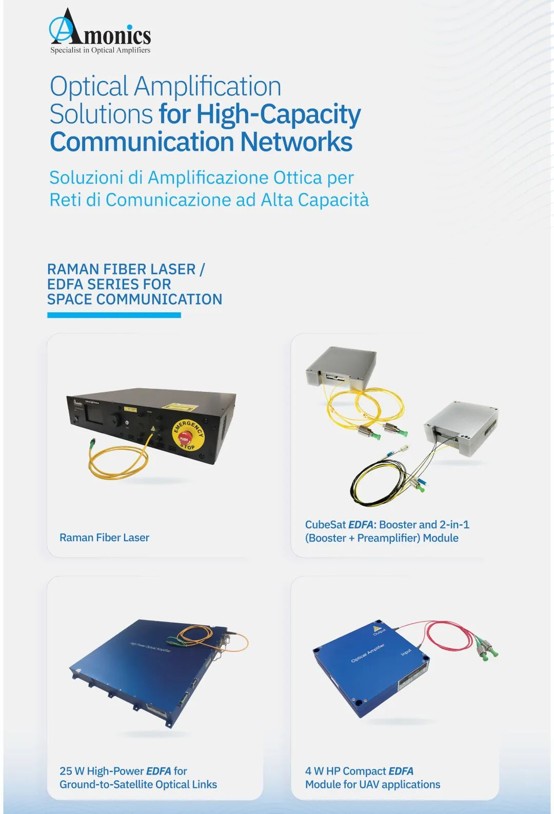
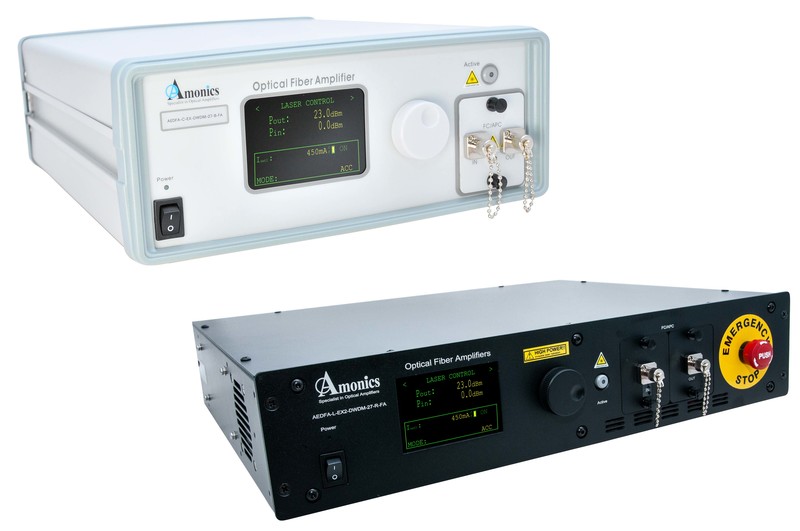
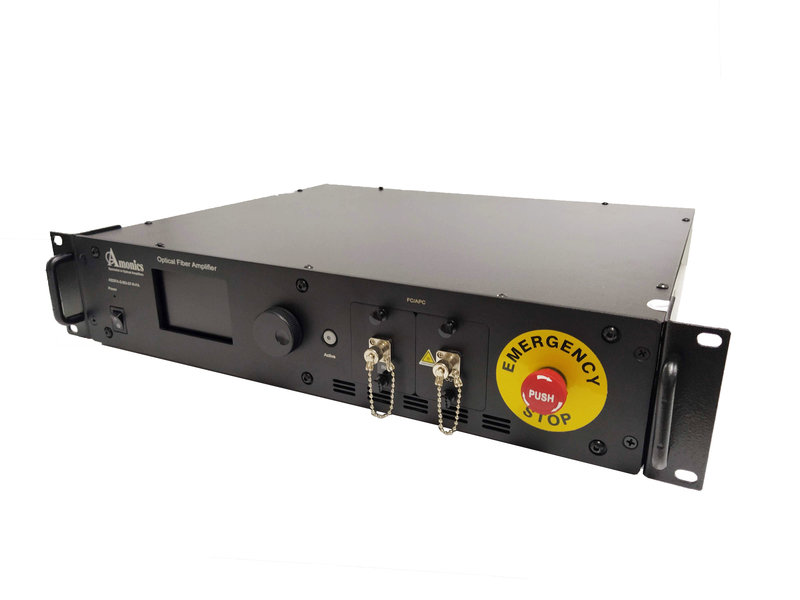
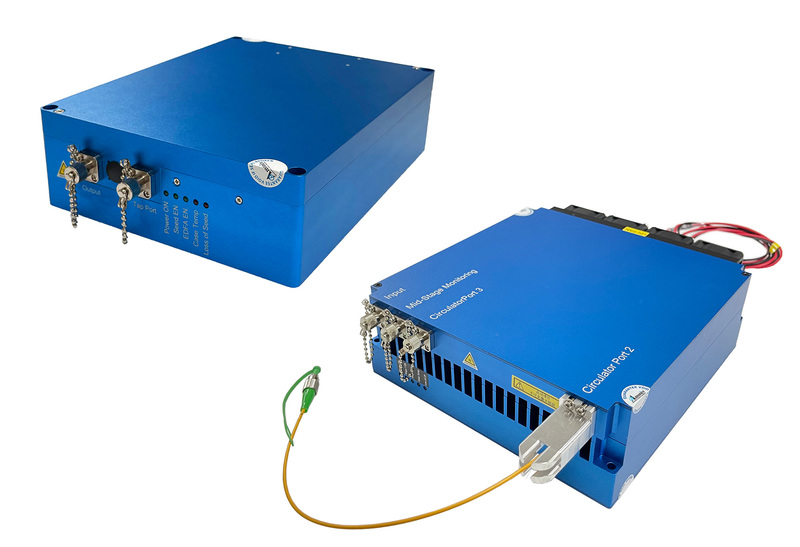
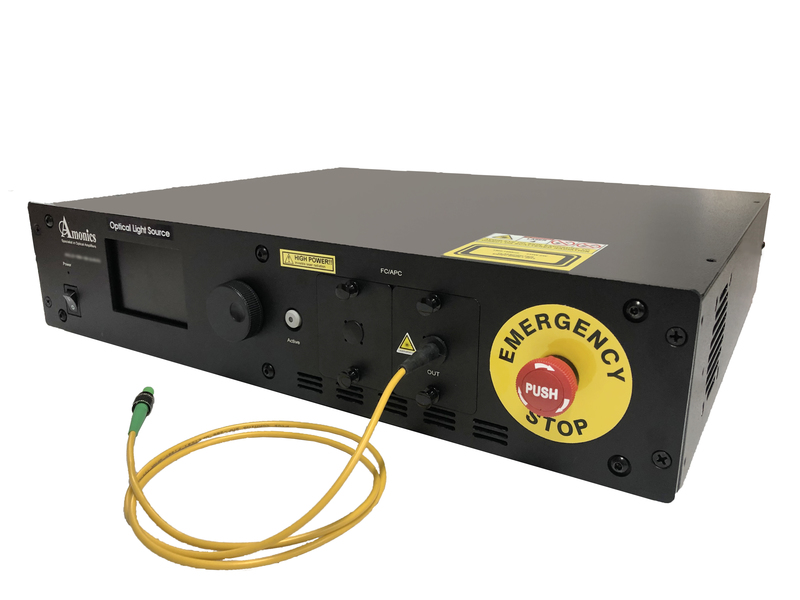
The transition from academic innovation to industry standard is the lifeblood of photonics. For over 20 years, Amonics has served this bridge, providing specialized amplification solutions for national laboratories and top-tier research institutes.
Amonics supports the global AI and photonics ecosystem through:
- High-Performance Amplification: EDFA, BDFA, Raman, and specialty amplifiers.
- Cutting-Edge Research Support: Solutions for quantum technologies, fiber sensing, and laser systems.
- Next-Gen Reliability: Expanding into space-qualified EDFA solutions for satellite and free-space optical communications.
Conclusion: Building the AI Factories of Tomorrow
The next decade of optical communications will be defined by Pbit-scale transmission, energy efficiency, and intelligent, self-optimizing network operations.
As AI clusters grow to unprecedented sizes, high-performance optical amplification will remain the foundational technology, ensuring that the physical network keeps pace with the demands of the AI era.
If you have any enquiry, please contact us: contact@amonics.com